

Ask ten people moving into Oxfordshire where they want to live and you’ll probably hear the same few places mentioned again and again. Bicester, Banbury and Kidlington always seem to be part of the conversation. They’re close enough to share certain advantages, yet once you spend a bit of time in each place, the differences become obvious. Some buyers want a quick train to London. Others care more about getting a bigger house without stretching the budget. Families tend to focus on schools and everyday convenience, while landlords often look at tenant demand and long-term growth. There isn’t a right answer because each place suits a different type of buyer. It’s something we see regularly when people start their search through leading Bicester estate agents for property sales and begin comparing towns that, on the surface, seem fairly similar.
Bicester Has Become Much More Than A Commuter Town
Mention Bicester to someone who hasn’t visited for years and they often picture a quiet market town with a shopping village attached to it.
That description doesn’t really fit anymore.
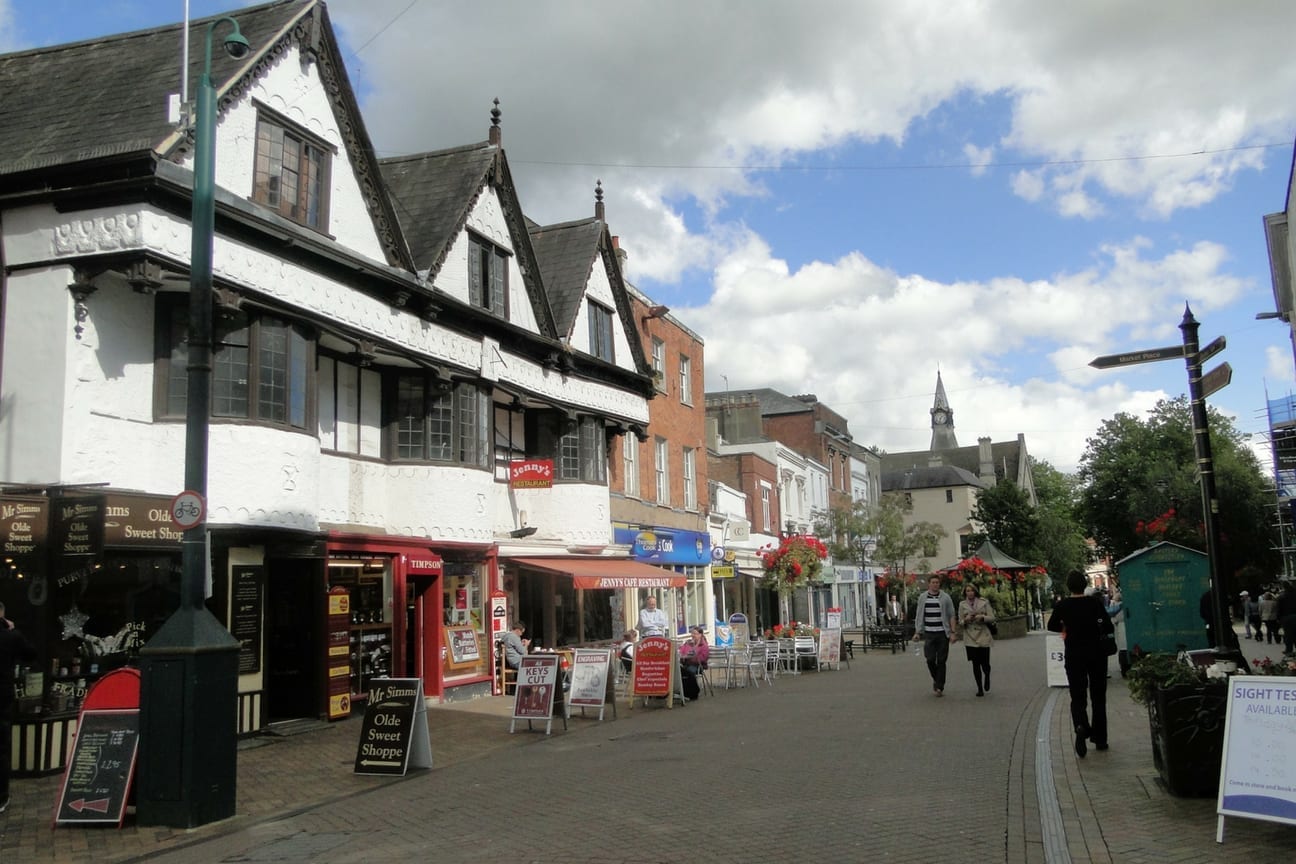
The town has grown quickly, but not in a way that feels overwhelming. New housing developments have expanded the population, yet there is still a recognisable town centre and a sense that Bicester knows what it is.
The London connection is a major attraction. The train to Marylebone has changed buying patterns over the years. Plenty of people who once searched in Buckinghamshire or outer London now look at Bicester first. Not necessarily because it’s cheaper, although that helps, but because the journey feels manageable enough for hybrid working.
What surprises many newcomers is how family-oriented the town feels. On weekends the parks are busy, local cafés fill up early and the newer residential areas tend to have a steady stream of children heading to football, dance classes or swimming lessons.
It feels active without feeling hectic.
Banbury Often Wins On Pure Value
Banbury doesn’t always get the same attention as Bicester, which is strange when you consider how much it offers.
For many buyers, the numbers simply work better.
A budget that buys a modest house elsewhere can often stretch noticeably further here. Larger gardens are common. Driveways are easier to find. Detached family homes appear at price points that sometimes surprise people relocating from the South East.
There is also a practical side to Banbury that residents seem to appreciate. Shops are easy to access, road connections are strong and most day-to-day essentials are nearby.
One thing people notice after moving is that life can feel slightly less pressured. Traffic exists, of course, but it rarely reaches the level people experience closer to London. Parking is generally less stressful and getting around town feels straightforward.
Banbury isn’t trying to be fashionable. That’s arguably part of its appeal.
Kidlington Feels Different To Both
Kidlington is harder to compare because it isn’t really competing with the other two.
Its biggest advantage is obvious the moment you look at a map.
Oxford is right there.
For university staff, hospital workers, researchers and professionals working around the city, Kidlington offers something valuable: proximity without city-centre pricing.
Many residents barely need to think about commuting. Some cycle into Oxford. Others drive for ten minutes and arrive at work. Compared with travelling from larger surrounding towns, the convenience is significant.
What people often underestimate is the strength of the local community. Because Kidlington isn’t a large town, residents become familiar with local shops, schools and neighbourhood facilities surprisingly quickly.
It has a village feel in places, although one with enough services to avoid feeling isolated.
Property Markets Move For Different Reasons
This is where comparisons become interesting.
Bicester’s market has benefited heavily from infrastructure, commuter demand and ongoing development. When London buyers enter the market, Bicester often feels the impact quickly.
Banbury is influenced more by affordability. Buyers looking for value naturally gravitate towards it when budgets tighten. During uncertain market periods, that can actually become an advantage.
Kidlington behaves differently again. Demand linked to Oxford creates a level of consistency that isn’t always seen elsewhere. The university, hospitals, science parks and surrounding employers generate a steady stream of housing demand year after year.
That doesn’t mean prices only move upwards, but it does create resilience.
Which One Feels Like Home?
Statistics only tell part of the story.
Some buyers arrive convinced they want Bicester because of the train station, then fall in love with a larger property in Banbury. Others focus entirely on house size before realising they would rather live closer to Oxford and choose Kidlington instead.
You only really understand the differences by spending time there.
Have a coffee in the town centre. Walk through residential streets. Visit on a weekday rather than just a Saturday afternoon. Watch how people actually use the area.
Bicester feels ambitious and growing. Banbury feels practical and established. Kidlington feels connected to Oxford while maintaining its own identity.
None of those qualities are better than the others.
They simply suit different people.
And that, more than average prices or transport statistics, is usually what determines where somebody ends up buying.

Comments are closed.