

Preparing a home for sale involves more than cleaning and staging. Strategic repairs can increase buyer confidence, reduce negotiation setbacks, and potentially improve the final sale price. However, not every repair delivers a strong return on investment.
The key is focusing on improvements that enhance value perception, functionality, and marketability without overspending.
Start With Essential Repairs
Certain issues should be addressed before listing because they can derail a sale.
Structural and Safety Concerns
Buyers—and their lenders—often require that homes meet basic safety standards.
Repairs worth prioritizing include:
- Fixing roof leaks or missing shingles
- Addressing foundation cracks
- Repairing faulty electrical systems
- Fixing plumbing leaks
- Servicing HVAC systems
- Replacing broken windows
Ignoring structural or system defects can lead to failed inspections and canceled contracts.
Fix Visible Damage
Cosmetic flaws may not be serious, but they influence first impressions.
Small, affordable updates can significantly improve appeal:
- Patch holes and cracks in walls
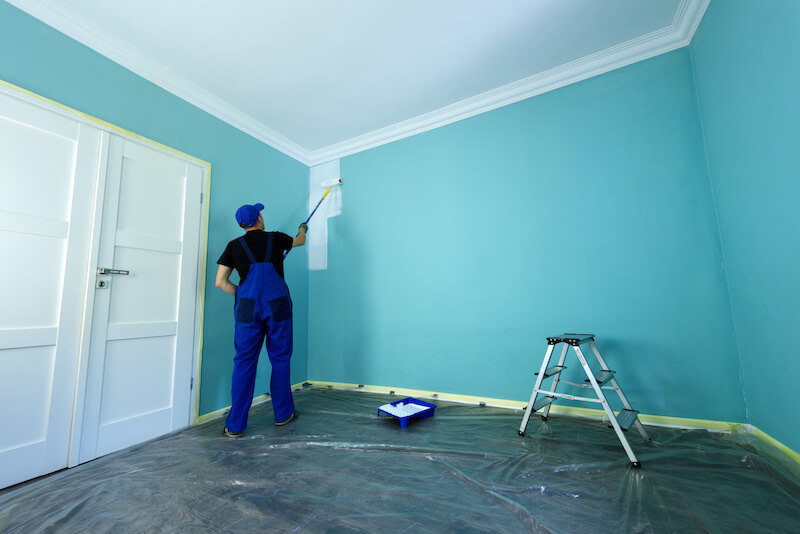
- Repaint with neutral colors
- Replace damaged trim or baseboards
- Repair loose door handles and cabinet hardware
- Fix squeaky doors and hinges
Minor repairs signal proper maintenance and reduce buyer hesitation.
Refresh Kitchens and Bathrooms
Kitchens and bathrooms often shape buyer decisions. Full remodels may not always be necessary, but selective upgrades can add value.
Cost-effective improvements include:
- Replacing outdated light fixtures
- Updating cabinet hardware
- Re-caulking sinks and tubs
- Installing modern faucets
- Deep cleaning grout lines
Complete renovations should be considered only if the space is severely outdated and comparable homes have upgraded features.
Improve Curb Appeal
Exterior condition creates immediate impact.
Repairs that enhance curb appeal include:
- Power washing siding and driveways
- Repainting the front door
- Repairing cracked walkways
- Cleaning gutters
- Maintaining landscaping
Well-maintained exteriors attract more showings and stronger offers.
Address Inspection Red Flags
Some issues frequently appear in inspection reports and can weaken negotiations.
Common red flags include:
- Water damage
- Mold presence
- Pest infestations
- Outdated electrical panels
- Poor drainage
Addressing these in advance reduces the likelihood of buyer repair requests.
Evaluate Flooring Condition
Worn flooring can affect perceived value.
Consider:
- Refinishing hardwood floors
- Replacing heavily stained carpet
- Repairing cracked tiles
If flooring is severely outdated, replacement may improve competitiveness, especially in mid-to-high price ranges.
Energy Efficiency Improvements
Buyers increasingly value energy efficiency.
Low-cost upgrades include:
- Sealing drafts around windows and doors
- Installing programmable thermostats
- Replacing old light bulbs with LED options
- Adding attic insulation
These improvements enhance comfort and long-term cost savings.
Repairs That May Not Be Worth It
Not all upgrades produce strong returns.
Large-scale renovations that may not pay off include:
- Luxury kitchen overhauls in mid-range neighborhoods
- High-end landscaping beyond local standards
- Extensive custom additions
- Replacing systems that are functional but aging
Over-improving beyond neighborhood norms can limit return on investment.
Consider a Pre-Listing Inspection
Some sellers opt for a pre-listing inspection to identify issues early.
Benefits include:
- Reducing buyer uncertainty
- Preventing surprises during negotiations
- Allowing time to complete cost-effective repairs
Transparency builds trust and can accelerate closing.
Budget Strategically
Before investing in repairs, consider:
- Local market conditions
- Comparable home condition
- Expected sale price
- Estimated repair costs
If the market is competitive with limited inventory, minimal updates may be sufficient. In slower markets, additional preparation may be necessary.
Focus on Return on Effort
Not every repair must increase the appraised value to be worthwhile. Some repairs reduce buyer objections and smooth negotiations, which can be just as valuable.
The goal is to present a well-maintained, move-in-ready home—not to create a fully remodeled property.
Conclusion
Making the right repairs before selling requires balance. Address structural and safety concerns first, refresh visible areas, and focus on cost-effective updates that enhance appeal.
Strategic improvements build buyer confidence, reduce negotiation friction, and position the property competitively—without overspending.
Frequently Asked Questions (FAQ)
1. Should I repair everything found during a home inspection?
Not necessarily. Focus on major safety, structural, and system-related issues first.
2. Is repainting always worth it before selling?
In most cases, yes. Neutral paint is relatively affordable and improves buyer perception.
3. Do buyers expect brand-new appliances?
Not always. Appliances should be functional and clean, but replacement may not be necessary unless outdated or damaged.
4. Can selling “as-is” be a good strategy?
Yes, especially in strong markets or when targeting investors, but pricing must reflect the property’s condition.
5. How much should I budget for pre-sale repairs?
Budgets vary widely. Many sellers allocate 1%–3% of the home’s value for preparation, depending on condition.
6. Should I complete repairs before listing or negotiate credits with buyers?
Completing repairs beforehand can streamline the transaction and prevent price reductions later.
7. Do minor cosmetic upgrades really influence sale price?
Yes. Small improvements often enhance perceived value and help buyers envision moving in immediately.

Comments are closed.